Climate protection strategy
Net Zero 2035: target for CO₂ emissions Summary
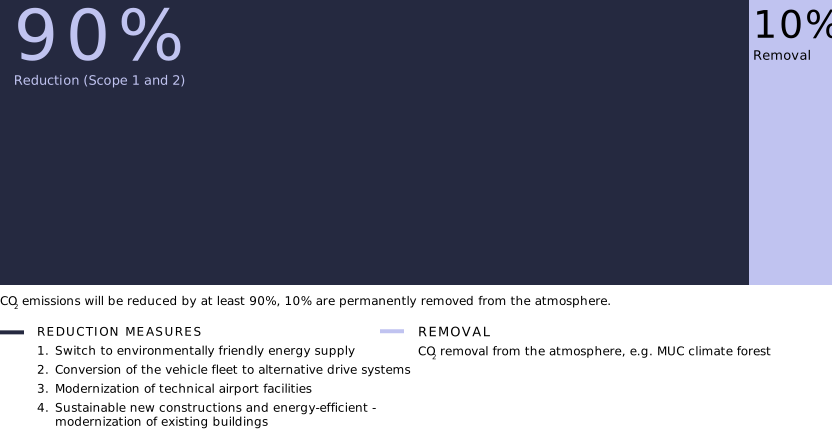
Munich Airport will reduce its CO₂ footprint by at least 90 percent through its own efforts by no later than 2035. The remaining maximum of ten percent will be actively and permanently removed from the atmosphere.
To ensure a sustainable energy supply, various measures are being implemented: these include the use of gas from renewable sources in the airport’s own block heat and power plant, the expansion of photovoltaic systems, the procurement of electricity from renewable energy sources, as well as the development of an additional power grid.
In the field of mobility, we are electrifying our vehicle pool or using alternative fuels. By 2030, all vehicles operating on the apron at Munich Airport are to use climate-friendly propulsion systems.
With a focus on airport technical facilities, the lighting of runways will also be gradually modernized following the changeover of apron lighting to LED technology. Further measures include the energy-efficient changeover of drive technologies for baggage handling systems and passenger boarding bridges.
We construct new buildings in a sustainable and climate-friendly manner with low energy consumption. Existing buildings are being upgraded in terms of energy efficiency through optimized ventilation systems, improved control of air conditioning and heating systems, and the changeover of lighting – such as in parking garages and terminals.
The remaining emissions must be actively and permanently removed from the atmosphere. To this end, we already began in 2021 to convert a conventional commercial forest into a resilient climate forest. This binds CO₂ from the atmosphere, which remains stored even when timber is harvested. Further projects are being evaluated – for example, the rewetting of moorlands, building humus in agriculture, or suitable systems for filtering and storing CO₂.
Sustainable flying: technology as the key
We pursue a dual climate strategy to help promote a more climate- and environmentally-friendly air transport sector. For example, we support airlines in reducing their emissions at Munich Airport. Pre-conditioned air systems supply aircraft cabins at aircraft stands with pre-conditioned fresh air, thereby reducing kerosene consumption and the associated CO₂ emissions. Munich Airport has installed a total of 64 such systems at all aircraft stands close to buildings. Furthermore, the use of ground power enables a significant reduction in aircraft carbon dioxide emissions during turnaround times, as the kerosene-powered auxiliary power units can remain switched off.
A central component of the EU legislative package «Fit for 55» is «ReFuelEU Aviation.» The initiative is a policy instrument aimed at decarbonizing air traffic in Europe through the increased use of sustainable aviation fuels (SAF). The SAF infrastructure at Munich Airport has been certified since 2021. The trading and supply of fuel are the responsibility of the airlines.